
- 0
- 1,983 word
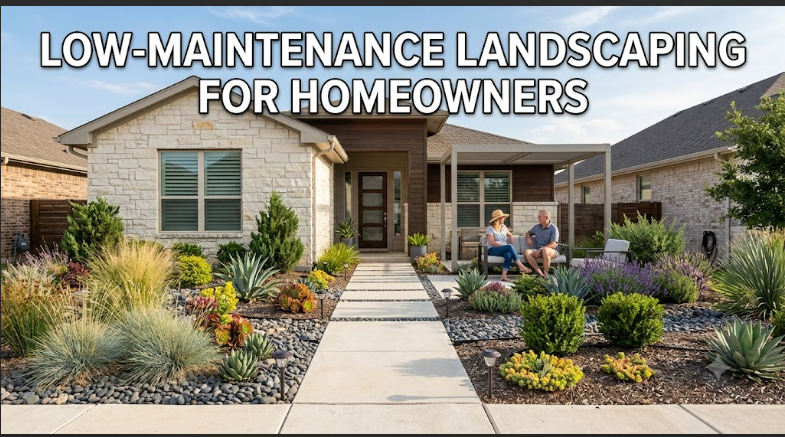
A beautiful yard does not have to demand every weekend. With the right plants, layout, irrigation, and materials, homeowners can create an outdoor space that looks cared for without constant mowing, pruning, watering, and cleanup.
Low-maintenance landscaping is not the same as no-maintenance landscaping. Every yard still needs some attention. The goal is to reduce repetitive work by making smarter choices from the beginning, so the landscape works with the property instead of fighting against it.
Start With a Simple Landscape Plan
Low-maintenance yards usually begin with simpler designs. Too many small planting beds, narrow strips of lawn, and scattered plants create more edges to trim, more areas to water, and more places for weeds to grow.
Group plants with similar water and sunlight needs together. This makes irrigation easier and reduces the chance that one plant receives too much water while another stays dry. Large, clearly defined planting areas are often easier to care for than several small beds spread across the property.
Before starting a landscaping project, homeowners can work with highlands landscaping to determine which areas should remain lawn and which can be converted to planting beds or hardscape.
Think about how you use the yard too. A family that needs open space for children or pets may want a different layout from someone who mainly wants an attractive front yard and a quiet patio.
Reduce the Amount of Lawn
Lawns can look great, but they are often one of the most demanding parts of a landscape. Regular mowing, fertilizing, watering, edging, aerating, and weed control all add up.
That does not mean every homeowner needs to remove the lawn. Instead, keep grass where it serves a purpose. A usable backyard play area may make sense, while a narrow strip beside a driveway may create work without adding much value.
Unused lawn areas can be converted into planting beds, gravel sections, groundcovers, or hardscape. These alternatives can reduce mowing time and water use.
Shape matters too. Large, simple lawn areas are easier to mow than irregular sections with tight corners, trees, and planting beds cutting through them.
Choose Plants That Fit the Site
The wrong plant in the wrong location creates maintenance problems. A shrub that naturally grows eight feet wide will need constant pruning if it is planted in a three-foot space.
Before buying plants, check their mature size, sunlight needs, soil preferences, and water requirements. Choose varieties that can grow comfortably in the space available.
Plants suited to the local climate usually require less attention once established. They are more likely to handle normal temperature swings and seasonal conditions without constant watering or protection.
Do not choose plants based only on how they look at the garden center. Think about what they will look like three or five years later. A plant that fits the space naturally is far easier to maintain.
Use Perennials Instead of Replanting Every Year
Annual flowers can provide plenty of color, but they need to be replaced frequently. For homeowners who want less work, perennials can be a better foundation.
Perennials return year after year when planted in suitable conditions. Many only need seasonal trimming or occasional dividing once established.
You can still use annual flowers in a few high-visibility areas. A small planter near the front door can provide seasonal color without creating several beds that need to be replanted.
Mixing flowering perennials with shrubs and ornamental grasses can create changing color and texture throughout the year without rebuilding the landscape every season.
Add Mulch to Planting Beds
Mulch is one of the easiest ways to reduce maintenance. It covers exposed soil, slows moisture loss, and makes it harder for many weeds to become established.
Apply mulch around shrubs, trees, and perennial beds where it fits the design. Keep the depth reasonable rather than piling on a thick layer year after year.
Avoid pushing mulch directly against tree trunks or plant stems. Trapped moisture around bark can contribute to plant health problems.
Mulch will break down over time, so it still needs occasional replacement. That small amount of maintenance can save many hours of weeding and watering throughout the season.
Install Irrigation That Matches the Landscape
Hand watering takes time, and poorly designed sprinklers can waste water. A well-planned irrigation system can make landscape care much easier.
Lawns and planting beds often have different watering needs. Separate zones allow each area to receive water based on the plants growing there.
Drip irrigation works well in many planting beds. It delivers water closer to the root zone and avoids spraying large areas of bare soil or hardscape.
Check the system a few times during the growing season. Broken sprinkler heads, clogged emitters, and leaks can create plant problems quickly. A little routine inspection can prevent much larger repairs later.
Use Hardscape in High-Traffic Areas
Some parts of a yard struggle no matter how much attention they receive. Areas around patios, walkways, gates, and outdoor seating often experience heavy foot traffic.
Hardscape can be a better fit for these spaces. Pavers, stone, gravel, and concrete can create functional areas without mowing or regular watering.
The key is balance. A yard covered entirely in hard surfaces can feel harsh and may become hot during summer. Combining hardscape with planting areas gives the property structure without losing the softer look of a landscape.
Plan drainage before adding large hardscape areas. Water still needs somewhere to go after rain or irrigation.
Choose Slow-Growing Shrubs
Fast-growing shrubs can fill empty spaces quickly, but they often create more pruning later. Slow or moderate-growing varieties can stay attractive with fewer trimming sessions.
Look at the plant’s natural shape before deciding where it belongs. A rounded shrub that naturally stays compact may need little shaping. A large spreading shrub planted beside a walkway may need constant cutting.
Avoid trying to force every shrub into a perfect box or ball unless that formal appearance matters to you. Allowing plants to keep more of their natural form usually reduces pruning.
This can make the landscape look more relaxed too. A well-chosen shrub often looks better when it is allowed to grow as intended.
Use Groundcovers in Difficult Areas
Some parts of a yard are frustrating to maintain with traditional grass. Steep slopes, shaded areas, and narrow spaces can be hard to mow and may never grow healthy turf.
Groundcovers can work well in these locations. Once established, many spread across the soil and reduce exposed areas where weeds could grow.
Choose groundcovers carefully. Some spread aggressively and can move into places where they are not wanted.
Match the plant to the conditions. A groundcover suited to shade may struggle in full sun, and a drought-tolerant variety may perform poorly in constantly wet soil.
Control Weeds Before They Become a Bigger Job
A few small weeds are easy to remove. Hundreds of established weeds with mature roots are not.
Walk planting beds regularly and pull new weeds before they flower or produce seed. Spending a few minutes every couple of weeks can prevent hours of work later.
Mulch, healthy groundcovers, and properly spaced plants can reduce open soil where weeds become established. Weed barriers may help in some applications, though they are not a permanent cure and can create problems as soil and organic material build up above them.
Pay close attention to weeds spreading from neighboring areas or undeveloped sections of the property. Catching them at the edges can keep them from moving deeper into the landscape.
Avoid Overcrowding Plants
New landscaping can look sparse when plants are small. This sometimes leads homeowners to plant too many shrubs or perennials close together.
The problem appears a few years later. Plants begin growing into each other, blocking walkways, competing for resources, and needing repeated pruning.
Plan for mature size rather than how the landscape looks on installation day. Giving plants enough room can make a new yard look less full at first, but it usually creates a healthier and easier landscape later.
If you want immediate visual impact, use temporary annuals or containers rather than permanently overcrowding shrubs.
Pick Trees Carefully
Trees can become some of the easiest parts of a landscape once established, but the wrong tree can create years of maintenance.
Consider mature height, canopy width, root behavior, leaf drop, fruit, and proximity to buildings before planting. A tree that grows too close to a roof or driveway may need constant trimming.
Some trees naturally drop large amounts of fruit, seeds, bark, or branches. That may be acceptable in a large yard but frustrating beside a patio or walkway.
The right tree can eventually provide shade, reduce heat around outdoor spaces, and become a low-maintenance feature. Give it enough room to grow without constant correction.
Make Edges Easy to Maintain
Landscape edges can quietly create a lot of work. Grass growing against fences, walls, rocks, and irregular garden beds often requires string trimming after every mow.
Use clean, simple borders where possible. Straight lines or gentle curves are much easier to maintain than complicated shapes.
Permanent edging can help keep grass from spreading into planting beds. It can also make mowing faster by creating a clear boundary.
Think about mower access during the design stage. A beautiful bed that forces you to stop and trim several awkward corners every week may not feel beautiful for long.
Reduce Seasonal Cleanup
Some landscapes create large cleanup jobs every spring and fall. Plant selection can reduce that burden.
If you dislike raking, think carefully about how many large deciduous trees you place near lawns, driveways, and patios. If you do not want frequent deadheading, choose flowering plants that stay tidy without constant attention.
Ornamental grasses and perennials can often remain standing through part of winter, then be cut back once rather than repeatedly cleaned throughout the season.
There will always be some seasonal work. The goal is to concentrate it into a few manageable maintenance periods instead of constant small jobs.
Common Low-Maintenance Landscaping Mistakes
One mistake is assuming gravel automatically means no maintenance. Leaves, weeds, soil, and debris can collect between stones, so gravel areas still need occasional cleaning.
Artificial turf, large hardscape areas, and weed fabric are sometimes treated as maintenance-free choices too. Each has its own cleaning, drainage, repair, and replacement needs.
Another mistake is choosing plants entirely based on appearance. A beautiful plant that needs frequent watering, pruning, staking, or winter protection may not belong in a low-maintenance design.
The best choices are usually the ones that fit the property naturally. Less fighting against the site means less work later.
Create a Maintenance Schedule You Can Actually Follow
Even a low-maintenance landscape benefits from a basic routine. Small tasks completed at the right time prevent larger problems.
A simple schedule might include:
- Checking irrigation during the growing season
- Pulling young weeds before they spread
- Refreshing mulch when needed
- Pruning plants at the proper time
- Inspecting trees, shrubs, and lawn for stress
You do not need to spend every weekend doing yard work. Regular short inspections can catch problems early and keep larger maintenance projects from building up.
Build a Yard That Gives You More Time to Enjoy It
Low-maintenance landscaping starts with design choices, not shortcuts. Reduce unnecessary lawn, choose plants that fit their spaces, group similar plants together, and use mulch, irrigation, and hardscape where they make sense.
Think several years ahead when selecting trees and shrubs. The easiest plant to maintain is usually one that does not need constant cutting, extra watering, or repeated correction to fit the space.
Walk through your yard and identify the areas that consume the most time. A difficult lawn strip, overcrowded bed, problem slope, or poorly placed shrub may be a good place to start. Improving those high-maintenance areas one at a time can turn the entire landscape into a space that is easier to care for and more enjoyable to use.
Author

Freshmediarecord01@gmail.com
Related Posts

Which Hotel Price Tracker Is Actually Worth Using for Business Travel?
- 0
- 1,160 word
Business travel comes with tight schedules, fixed budgets, and constant pressure to keep costs under control. While airlines often receive the most...
Read out all
Top 2 Must-Visit Waterfalls on the Road to Hana, Maui
- 0
- 922 words
The Road to Hana is one of Hawaii’s most iconic scenic drives, stretching approximately 64 miles along Maui’s northeastern coastline. Famous for...
Read out all